
Nano Banana 2.1 AI Image Generator
Nano Banana 2.1 renders sharper stills and follows denser briefs than Nano Banana 2, with cleaner in-image type and tighter identity when you edit. Google ships it as the Flash-tier counterpart to Nano Banana Pro, at 1K, 2K, or 4K.
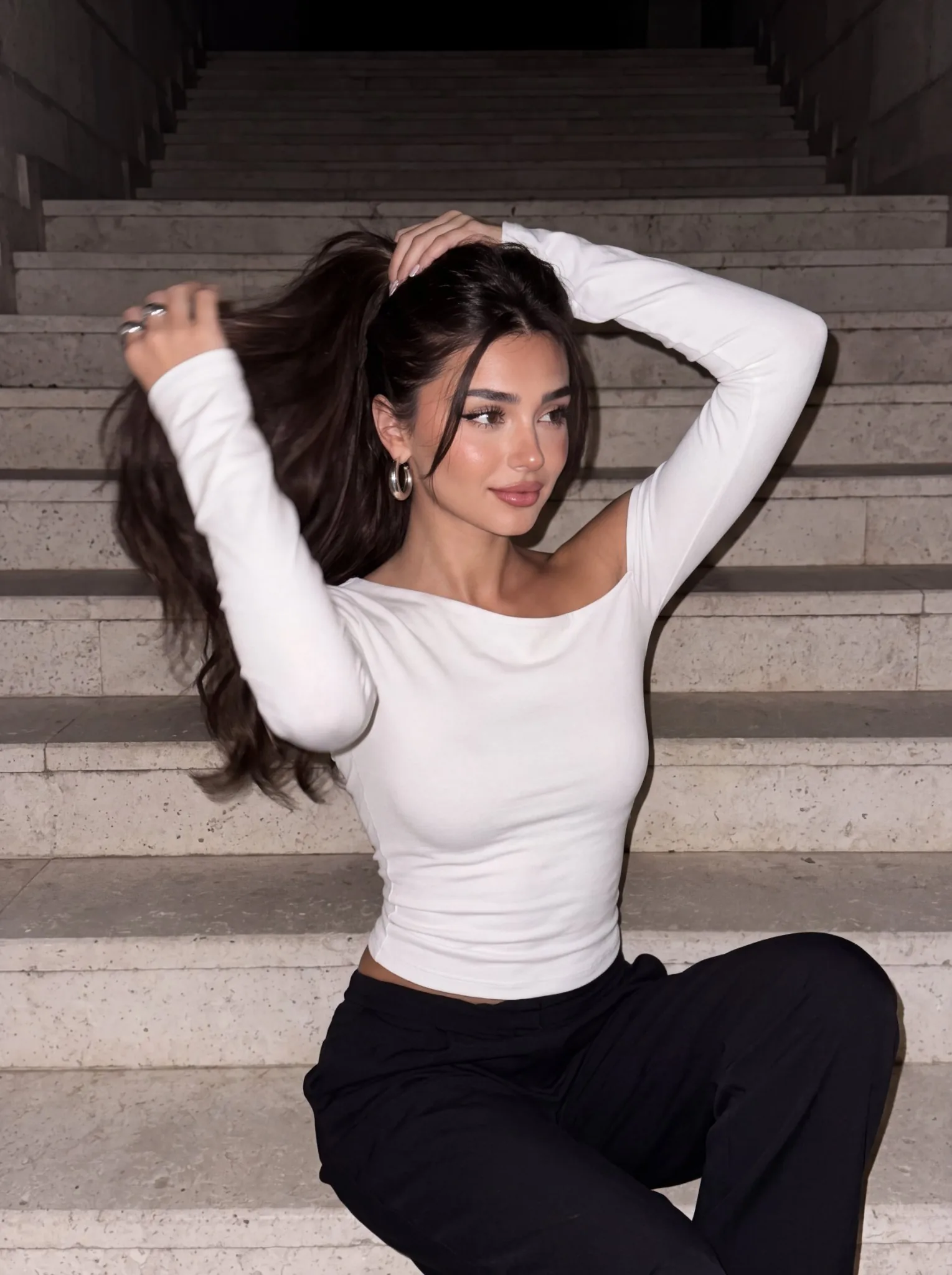
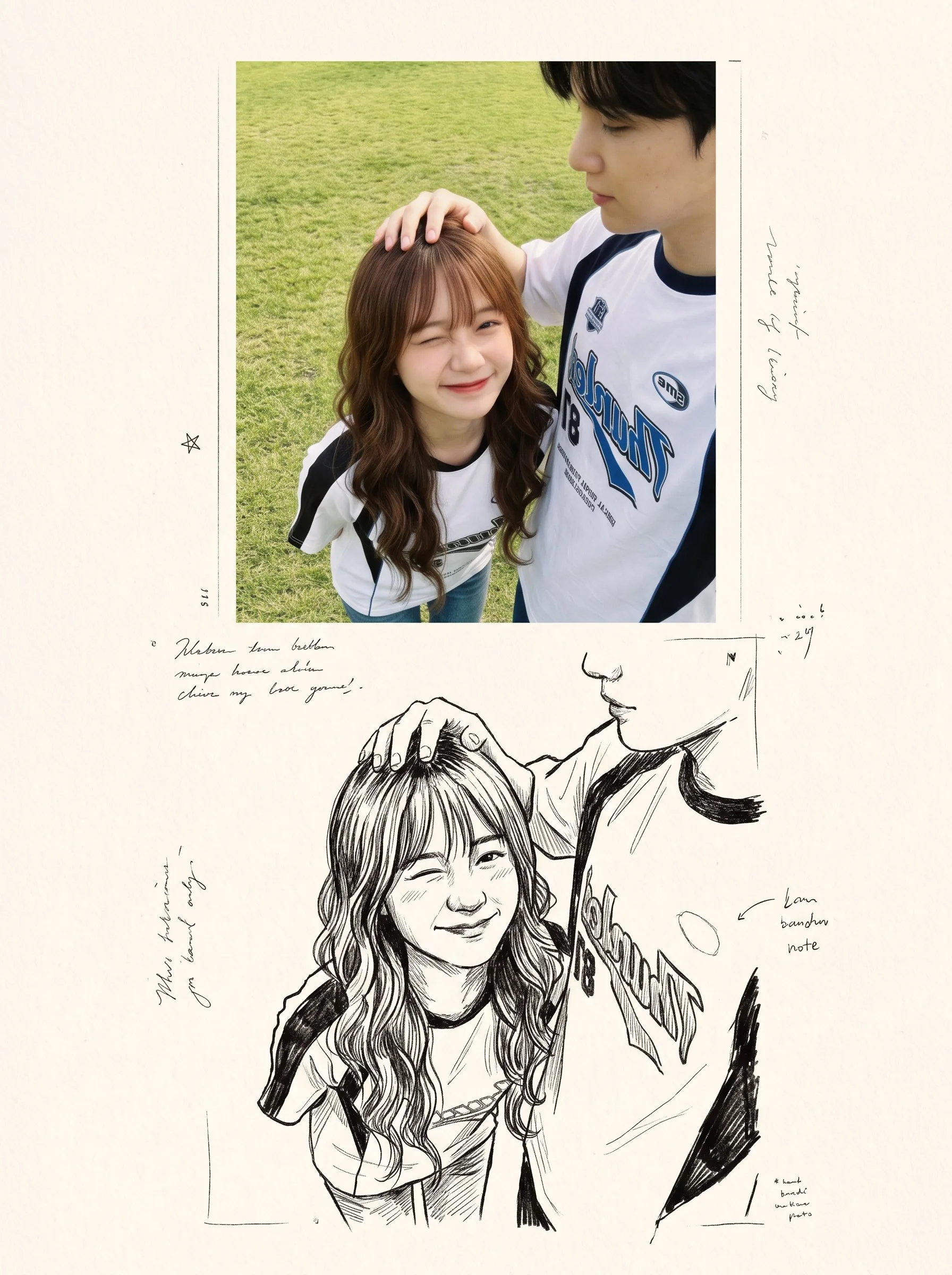

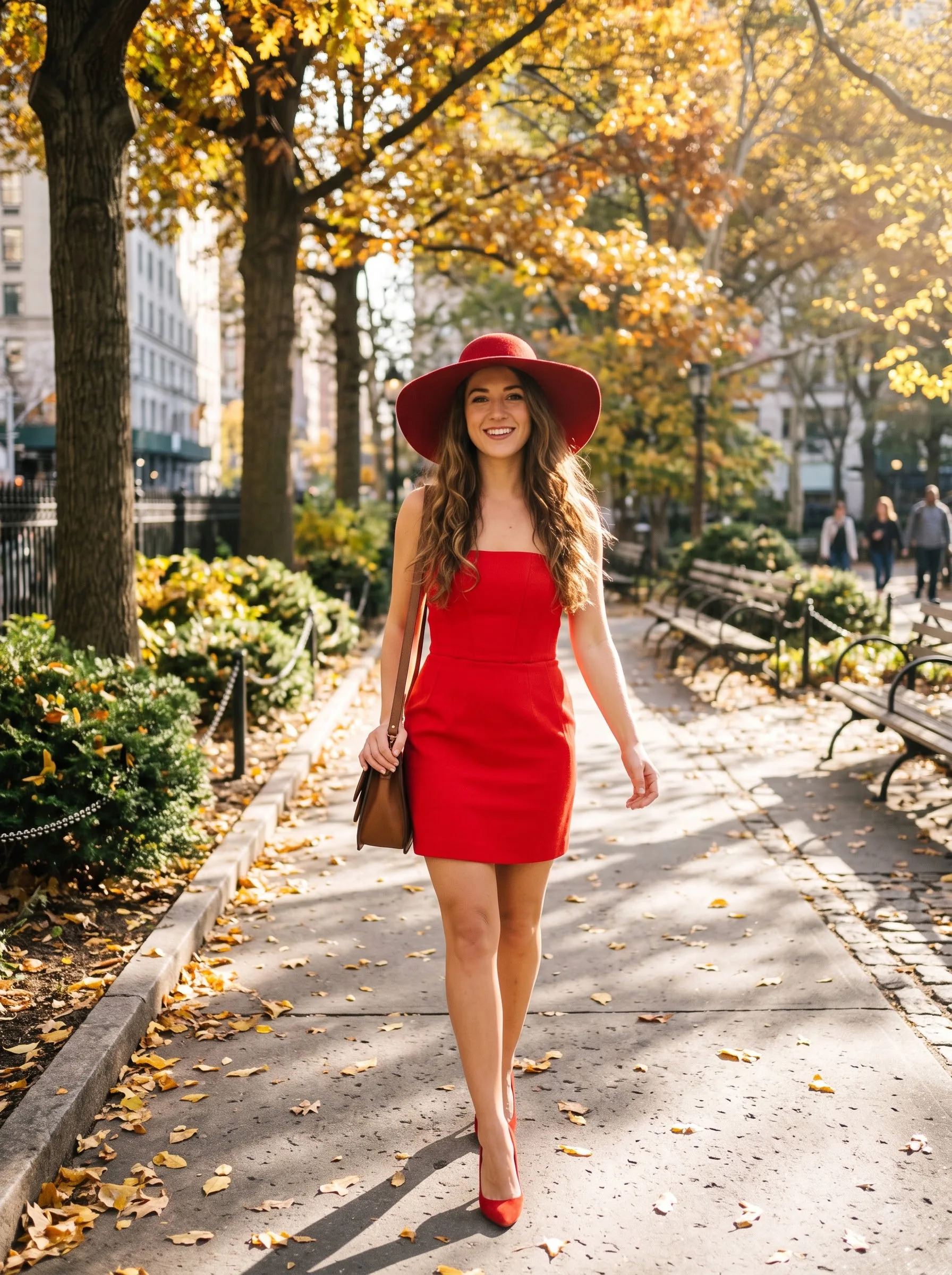
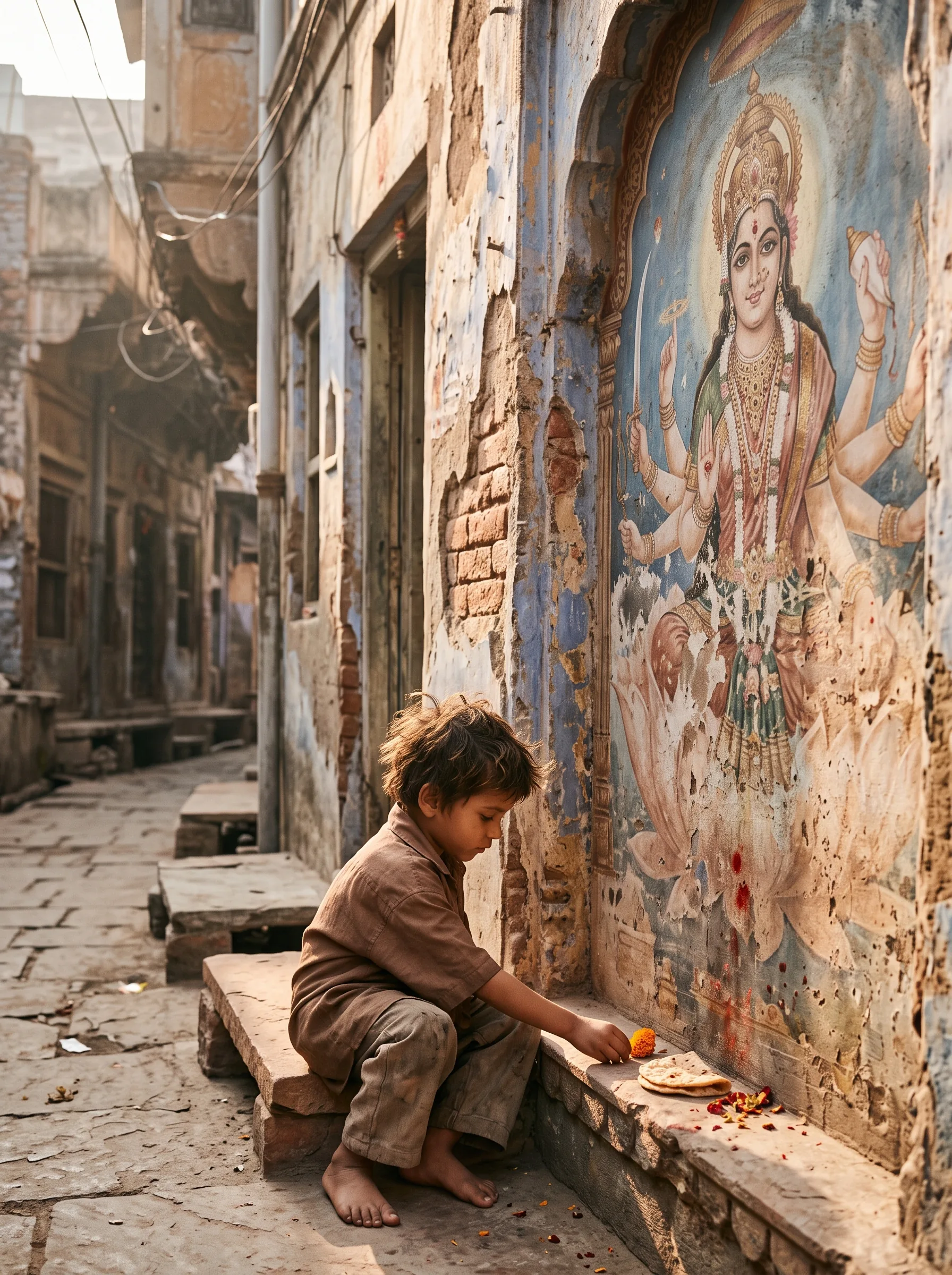
What is Nano Banana 2.1
Nano Banana 2.1 is Google's image generation and conversational editing model, launched 6 October 2026 as Gemini Nano Banana 2.1 (API name gemini-nano-banana-2.1) and based on Gemini 3.6 Flash. It turns a text prompt into a still, and it can edit uploaded reference images. It is the successor to Nano Banana 2.
Google / Gemini Nano Banana 2.1
Same stack as gemini-nano-banana-2.1, based on Gemini 3.6 Flash. CamArt lists it as Nano Banana 2.1.
Text to image
Natural-language prompts become stills, including posters and infographics.
Image edit
Describe changes to one or more reference photos. CamArt accepts up to 14 refs.
Identity hold
Google's pitch vs Nano Banana 2: up to four characters and ten objects stay recognizable.
Readable type
Enhanced text rendering and infographic layout. Small type is safer at 2K or 4K.
1K, 2K, or 4K
Default 1K. CamArt exposes all three sizes on this SKU.
Examples of Nano Banana 2.1 from X
Six X posts that name Nano Banana 2.1: a living room restage, 1960s fashion, a giant heel, a beanie close-up, a skateboard street still, and a porthole stairwell. Copy a prompt into the editor.
-
Interiors & Spaces
Living Room From Behind
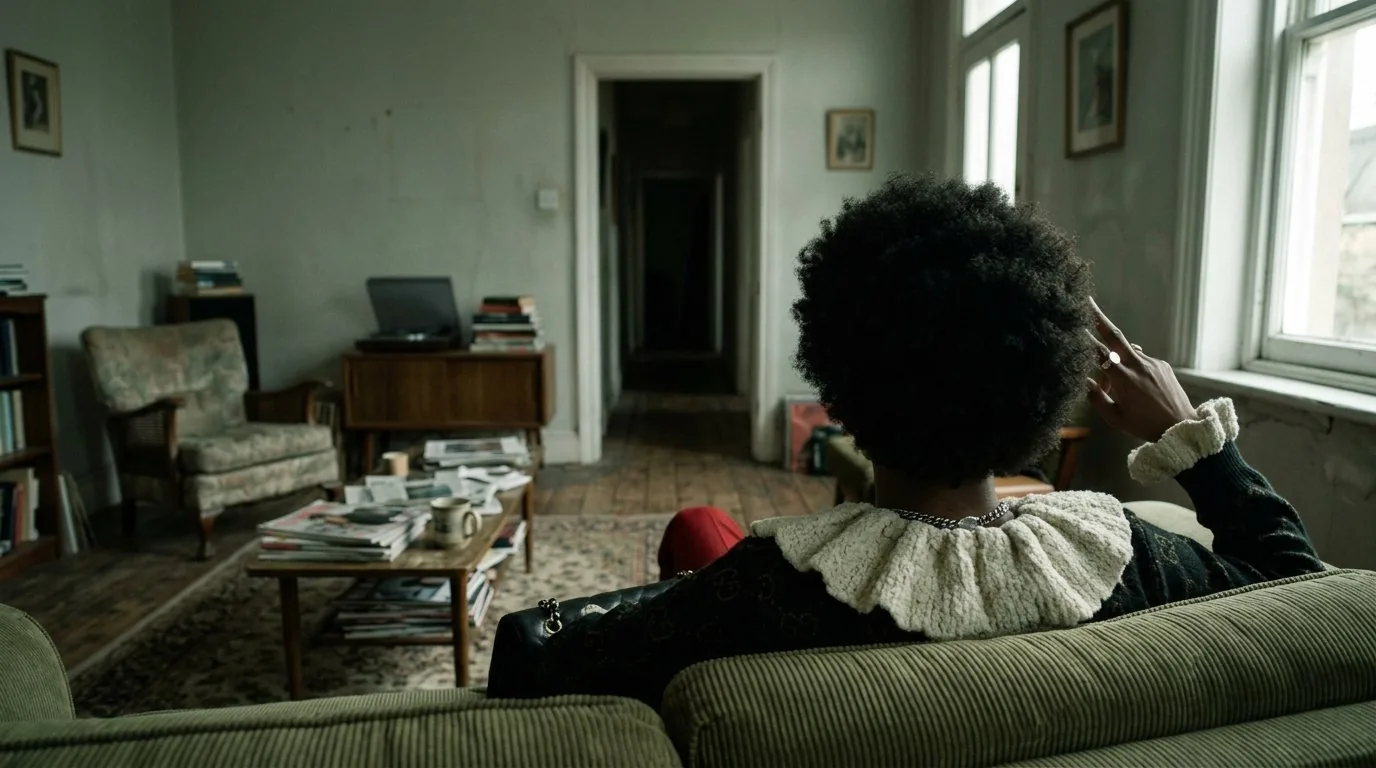 PROMPT
Show me this exact scene, but taken from behind the back of the subject's head. We should see the living room. The window should be on the right-hand side, and the orientation of the sofa and room should also be considered.
-
Fashion & Style
1960s Editorial Fashion
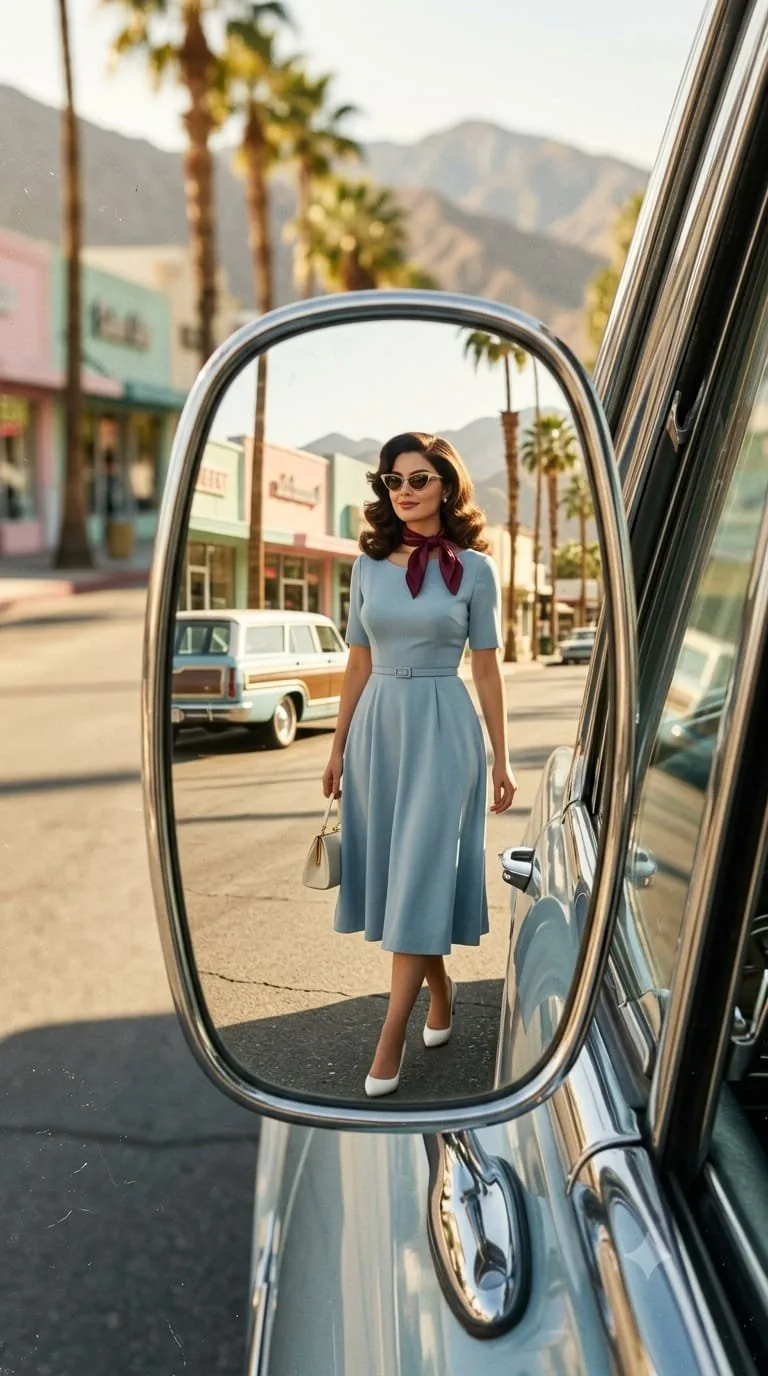 PROMPT
Create a hyper-realistic 1960s vintage editorial fashion photograph in a vertical 9:16 composition, featuring the girl from the reference image. Preserve her identity and appearance exactly as shown in the reference — including her facial structure, proportions, distinctive features, skin tone, hairstyle characteristics, and overall natural appearance. Do not alter or reinterpret her face. The scene is captured as a full-body fashion portrait reflected inside a small, oval chrome side mirror of a vintage car. The mirror has naturally curved, slightly distorted edges and realistic reflections. The camera is positioned close to the driver's window, angled toward the side mirror. Inside the mirror reflection, the girl is fully visible with generous background space. She is walking toward the rear of the car while slightly turning her head toward the mirror, creating a subtle candid moment. She has a calm, confident expression with a soft, understated smile. She wears a beautifully tailored powder-blue midi dress with a slim waist belt, paired with a burgundy silk scarf, elegant cat-eye sunglasses, a small ivory handbag, and classic white pointed heels. Her styling has an authentic polished 1960s fashion aesthetic. The environment is a retro Mediterranean-American street with a palm-lined road, pastel-colored storefronts, a vintage station wagon, and distant mountains. Bright golden morning sunlight creates warm, natural highlights and soft shadows across the scene. Use a refined color palette of powder blue, ivory, burgundy, and warm beige. The image should look like an authentic aged 35mm film photograph, with natural analog grain, subtle film imperfections, tiny scratches, realistic exposure, authentic skin texture, and physically accurate mirror reflections. The overall mood should feel chic, nostalgic, elegant, and slightly mysterious — like a genuine fashion editorial photograph captured in the 1960s rather than an AI-generated image. Photorealistic, cinematic, highly detailed, natural proportions, realistic fabric texture, authentic vintage photography aesthetics.
-
Figures & Toys
Giant Red Heel
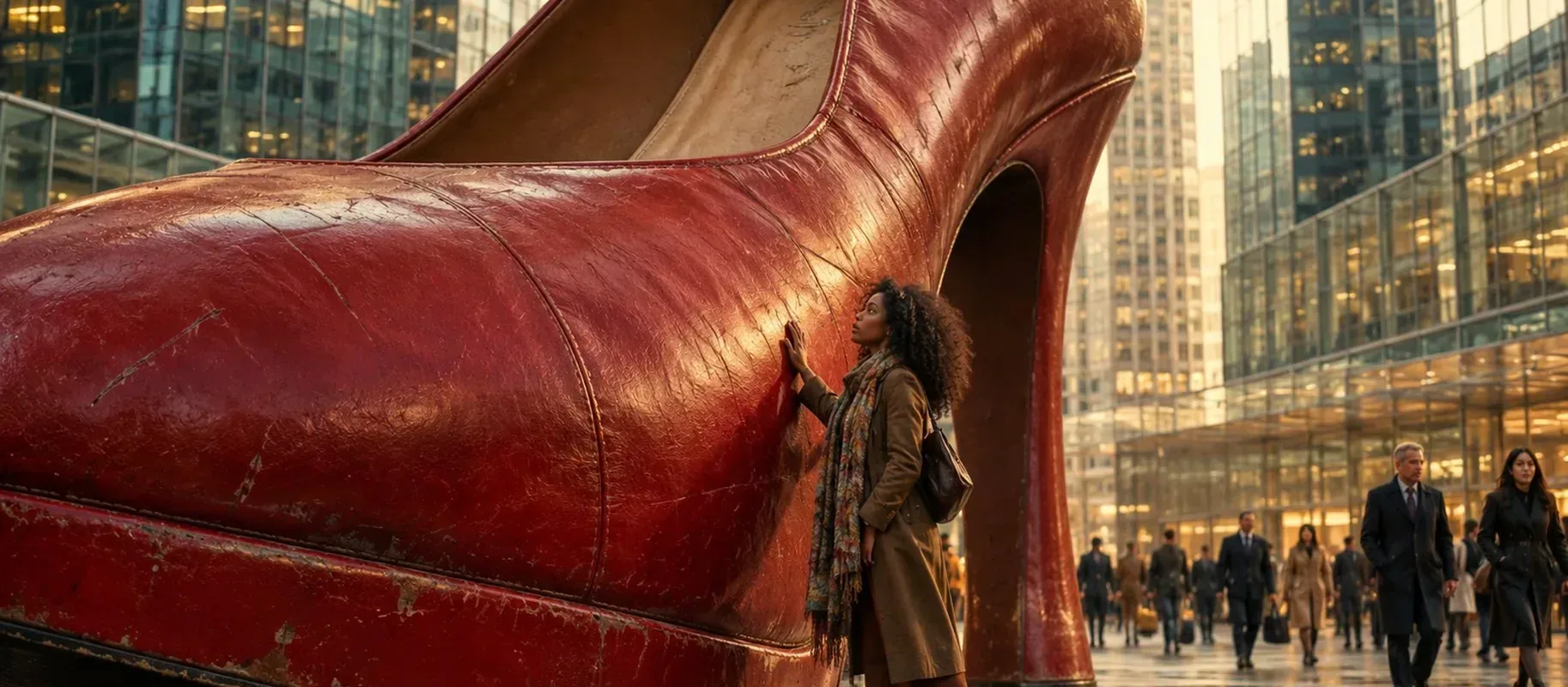 PROMPT
A woman in a brown coat and patterned scarf rests her palm on a giant, scuffed red leather high heel in a glass financial district at golden hour. Commuters in dark coats walk past, unaware.
-
Portraits & Selfies
Beanie and Sunglasses
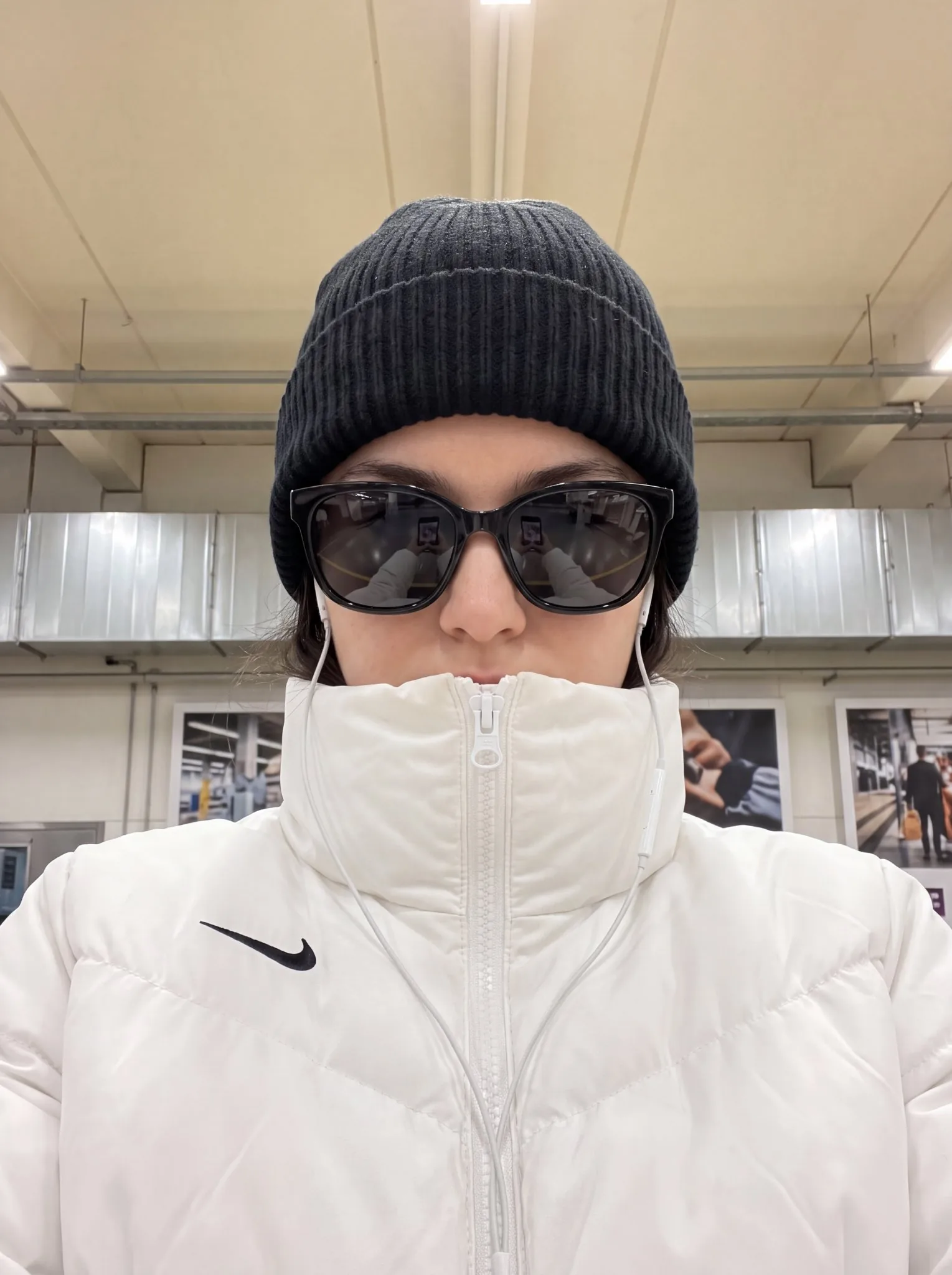 PROMPT
straight-on eye-level close-up photograph of a young woman, face clearly visible, captured on a recent iPhone main camera at its native 24 mm equivalent, f/1.8, with natural perspective and no wide-angle distortion. Focus is locked on her face and accessories; the background falls into a mild, realistic smartphone blur. She wears a black ribbed knit beanie sitting normally on her head, not covering her eyes or face, large reflective black sunglasses, and white wired Apple earphones with the cable running down in front of her jacket. Her white puffer jacket is worn open at the collar, not pulled up, so her jaw, mouth, and lower face remain fully visible beneath the sunglasses. A small black embroidered Nike swoosh sits on the left shoulder. The quilted synthetic fabric shows soft volume and fine texture. The setting is a brightly lit industrial interior with a high cream-colored ceiling and out-of-focus glossy metallic panels or photographic posters behind her. Lighting is large soft overhead ambient, even and slightly cool, like diffused LED panels: gentle fill from above and the front, soft shadows under the chin and beanie brim, and faint specular highlights on the sunglasses and the jacket’s nylon shell. Exposure is clean and slightly bright, true-to-life color, moderate computational sharpening, natural skin texture, no heavy noise or plastic skin. Mood is urban, practical, and quietly anonymous. Photorealistic smartphone photograph.
-
Fashion & Style
Skateboard Street Still
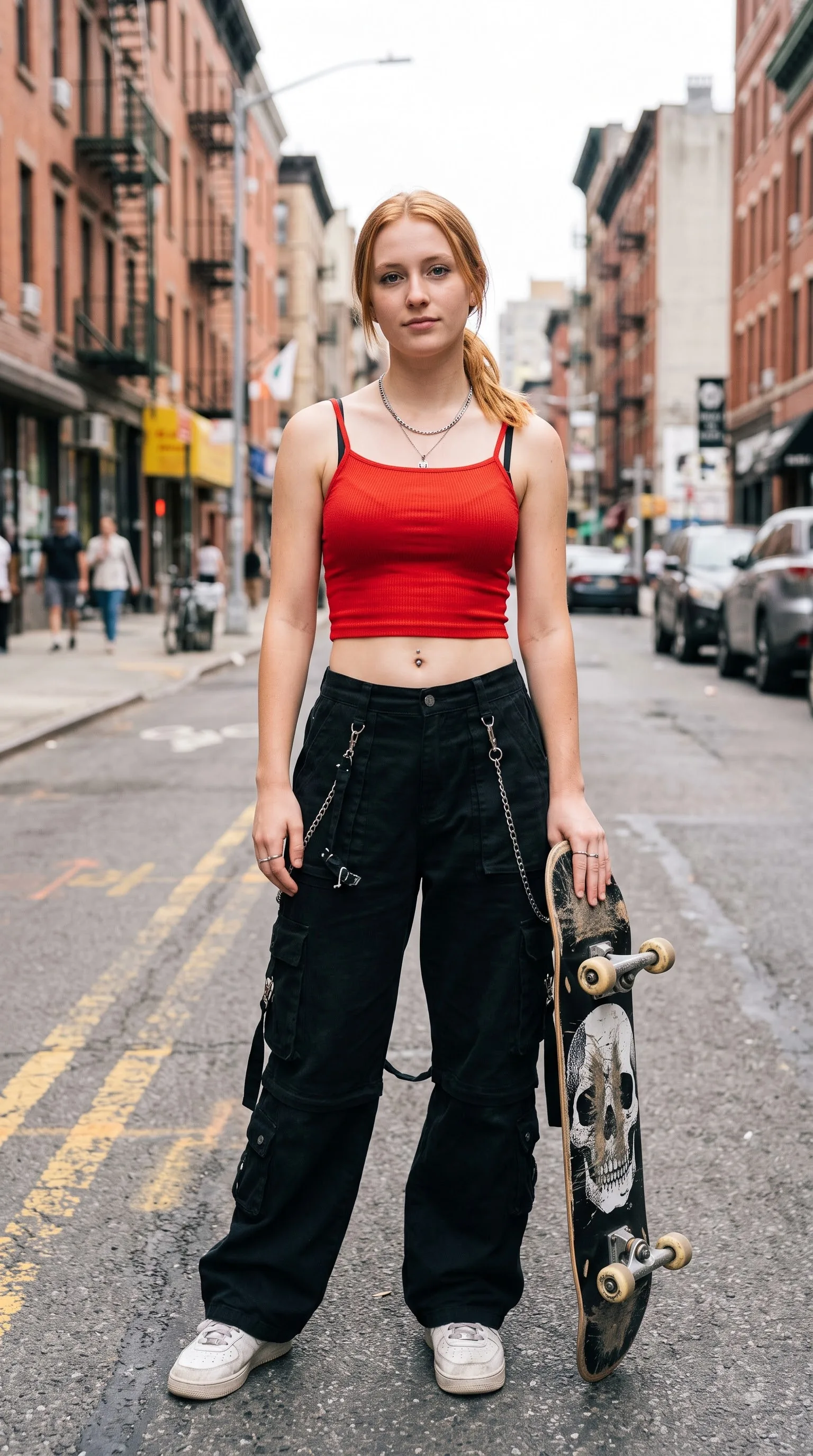 PROMPT
A young woman with reddish-blonde hair pulled back stands confidently on a city street holding a skateboard. Subject: A fair-skinned young woman with straight reddish-blonde hair tied in a low ponytail, blue eyes, and a neutral expression looking directly at the camera. She has a visible belly button piercing. Clothing: She wears a bright red ribbed tank crop top with black straps, loose-fitting black cargo pants featuring multiple pockets and silver chains hanging from the belt loops, and white sneakers. She wears a silver necklace with a pendant. Action: She stands upright facing forward, holding a skateboard vertically in her right hand against her leg. Environment: An urban street scene with brick buildings on either side, blurred background suggesting depth of field, and yellow road markings visible on the asphalt. Camera: Eye-level medium shot with a shallow depth of field that keeps the subject sharp while blurring the background streetscape. Lighting: Bright natural daylight casting soft shadows, highlighting the texture of her clothing and skin. Objects: A skateboard with a large black and white skull graphic on the underside deck. Style Details: High-resolution photography with vibrant colors and a modern streetwear aesthetic.
-
Interiors & Spaces
Porthole Stairwell
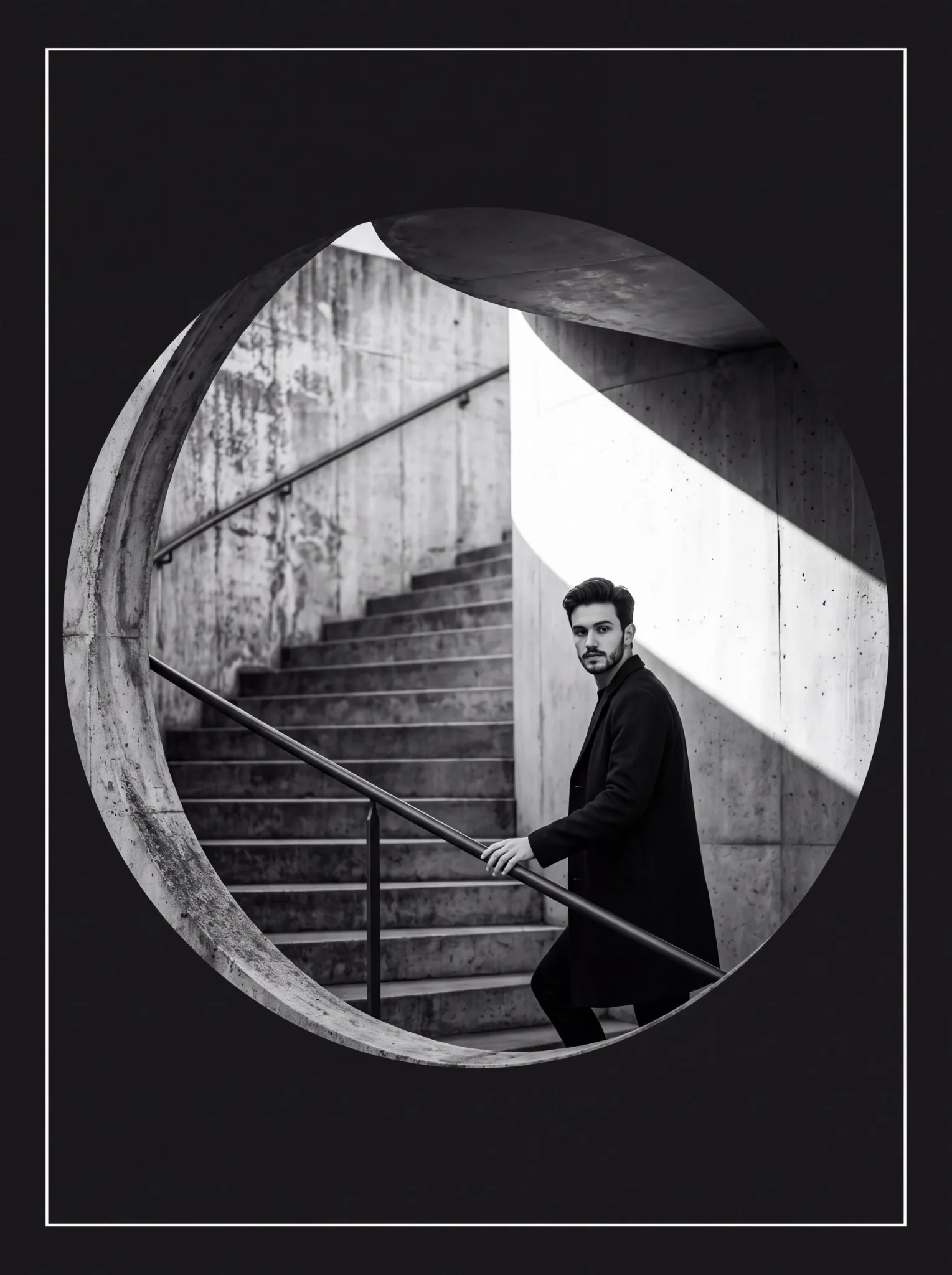 PROMPT
Black and white fine-art architectural portrait photography, vertical 4:5 portrait format. A perfectly circular porthole-shaped cutout reveals a brutalist concrete stairwell, while everything outside the circle is flat, solid near-black charcoal (#161616), with a thin crisp white rectangular border line inset a few millimeters from the frame edge. The circle sits slightly above center, with the thick, weathered concrete ring edge visible on the left side. Inside the circle: wide concrete steps rising diagonally from left to right, a slim dark metal handrail running parallel along the diagonal, a large curved concrete wall on the right catching a hard shaft of direct sunlight that creates a bright white diagonal shape, a dark curved ceiling overhang at the top right, and rough concrete texture on the left wall. Extremely high contrast, deep crushed blacks, bright highlights, strong geometric lines and curves. A lone man is walking up the stairs in the lower right of the circle, caught mid-step, one hand lightly sliding along the metal handrail. His body is angled up the staircase, but his head is turned and he looks directly into the camera lens, making strong eye contact with the viewer. He is clearly visible, not a silhouette: bareheaded with short dark hair, no hat, no cap, wearing a dark long coat, face lit by the sunbeam on one side, with a calm, serious expression. His face is the sharpest point in the image, with crisp eyes, skin texture, and defined jawline, in razor-sharp focus. Shot on an 85mm f/1.4 portrait lens, shallow depth of field, the stairs, handrail, and concrete walls behind and in front of him fall into a soft, creamy blur, with gentle compression of the stairwell geometry. Moody, minimalist, cinematic, fine film grain, no color, no text.
Key Features of Nano Banana 2.1 AI Image Generator
Google's Nano Banana 2.1 card leads with sharper stills, denser prompt follow, identity-preserving edits, and cleaner infographic type, at 1K, 2K, or 4K.
-
Sharper everyday stills
Google frames Nano Banana 2.1 as a visual quality and realism upgrade versus Nano Banana 2. Judge skin, fabric, glass, and night light in the still, not a generic photoreal tag.
-
Complex prompt follow
The Gemini API card lists tighter prompt adherence than Nano Banana 2. Write subject, layout, lighting, and on-image copy in one brief, then check whether the frame matches.
-
Identity-preserving edits
Google cites character consistency for up to four people and object fidelity for up to ten objects. Add refs, name what stays, and write the one change.
-
Readable type and infographics
The card highlights enhanced text rendering and infographic layout. Name the headline in the prompt. DeepMind notes small type often blurs at 1K, so finish posters at 2K or 4K.
-
Up to 14 reference images
Multi-image fusion on Google's card is up to 14 stills. CamArt Edit accepts the same cap. Use it when a face, pack, or wardrobe has to hold across a set.
-
1K, 2K, or 4K
Issuer default is 1K. CamArt exposes 1K, 2K, and 4K on this SKU. Draft at 1K. Move to 2K or 4K when labels or diagrams have to stay sharp.
Change the brief. Keep the face.
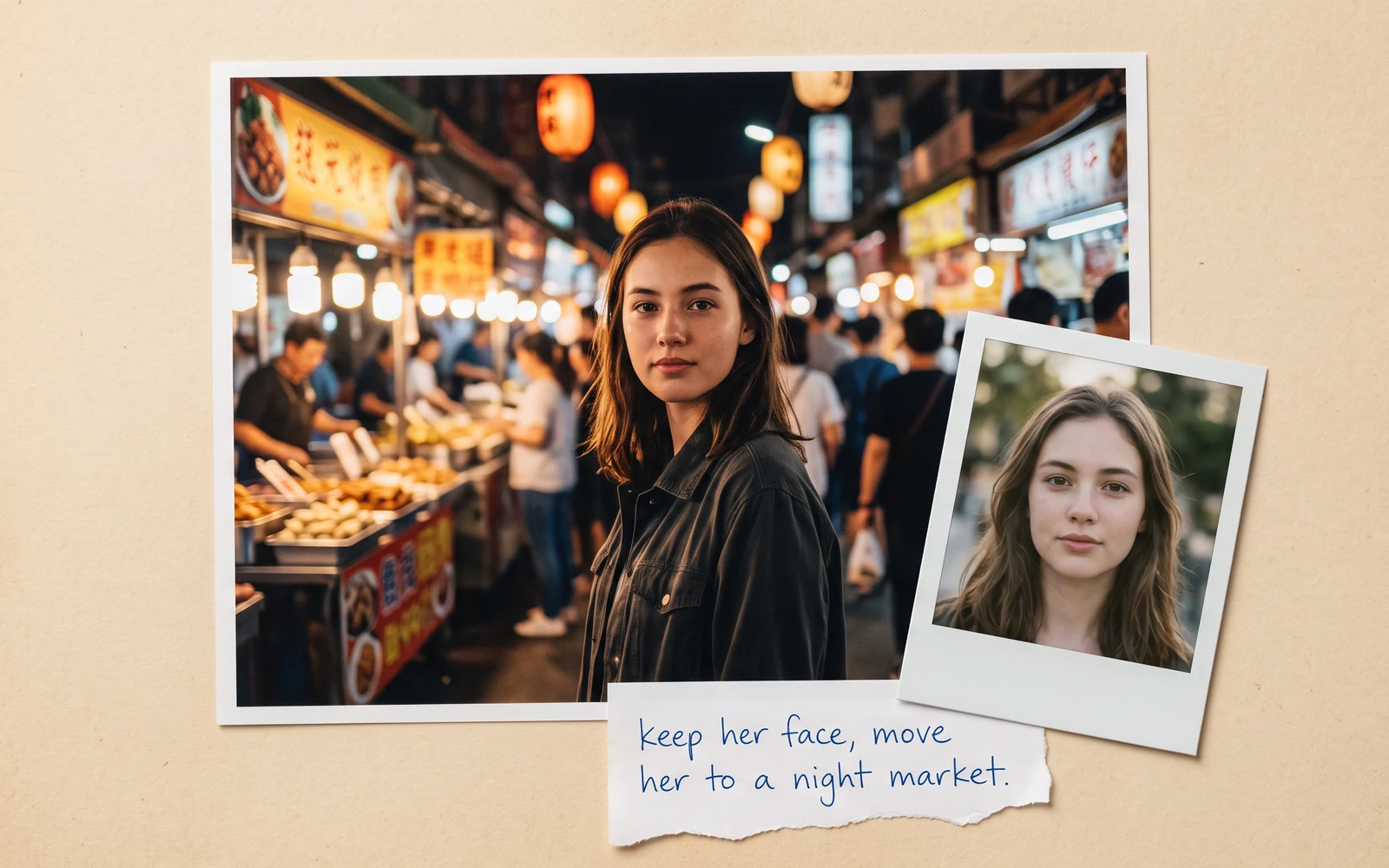
Add up to 14 reference photos and write the instruction. Nano Banana 2.1 is built to hold identity while you restage wardrobe, scene, or type.
Nano Banana 2.1 Model Comparison
Nano Banana 2.1 is Google's 1K to 4K Flash image model for readable type and identity-preserving edits, whereas GPT Image 2.5, Seedream 5.0 Pro, and Qwen Image 3.0 are other-brand stills SKUs with different resolution and reference limits.
| Fact | Nano Banana 2.1 | GPT Image 2.5 | Seedream 5.0 Pro | Qwen Image 3.0 |
|---|---|---|---|---|
| Issuer | Google Gemini Nano Banana 2.1 (gemini-nano-banana-2.1), based on Gemini 3.6 Flash. | OpenAI GPT Image 2.5 (ChatGPT Images 2.5). | ByteDance Seed Seedream 5.0 Pro. | Alibaba Qwen Image 3.0. |
| Best for | Everyday posters, infographics, and identity-preserving edits at Flash cost. | Stills that keep a face or product from refs while you change one instruction. | Dense infographics and layout-aware stills on a ByteDance SKU. | Dense layouts and long prompts with readable multilingual type. |
| Strength | Sharper stills, tighter prompt follow, and cleaner type than Nano Banana 2, at 1K to 4K. | Natural lighting plus instruction-only edits, with quality low through max. | Infographic hierarchy that holds labels in one still. | Long briefs into nested layouts in one pass. |
| In-image text | Enhanced text and infographic layout. Small type is safer at 2K or 4K. | Readable type on posters and labels. Check spelling before you ship. | Native multilingual type on charts, posters, and decks. | Official story is dense, small multilingual lettering on posters and decks. |
| Generate and edit | T2I plus up to 14 reference stills on Edit. | T2I plus up to 16 reference stills on Edit. | T2I plus Edit with up to 8 images. | T2I plus 1 to 3 edit stills. |
| CamArt credits | 4 credits at 1K. 6 at 2K. 14 at 4K. | 3 credits at medium 1K. Sunburst shares this table. | 5 credits per still. | 3 credits on Standard. Qwen Image 3 Pro is 4. |
| Resolution on CamArt | 1K, 2K, or 4K. Default 1K. | 1K, 2K, or 4K. Quality low through max. | 1K or 2K. Do not treat issuer 4K talk as this picker. | 1K or 2K. |
Sources: Google Gemini Nano Banana 2.1; OpenAI ChatGPT Images 2.5; ByteDance Seedream 5.0 Pro; Alibaba Qwen Image 3.0.
Why Choose Nano Banana 2.1 AI Image Generator in CamArt
Choose Nano Banana 2.1 when you want Google's Flash image model for sharper stills, readable type, and identity-preserving edits. Run Generate or Edit in CamArt, then keep the result in Assets.
Stills that look closer to a normal photograph
Google's 2.1 card leads with visual quality and realism versus Nano Banana 2. That is the first test: light on glass, type on a printed sheet, and skin that does not look plastic.
- Name the light and the material in the prompt, not a generic photoreal tag.
- This page does not claim the still is indistinguishable from a camera.
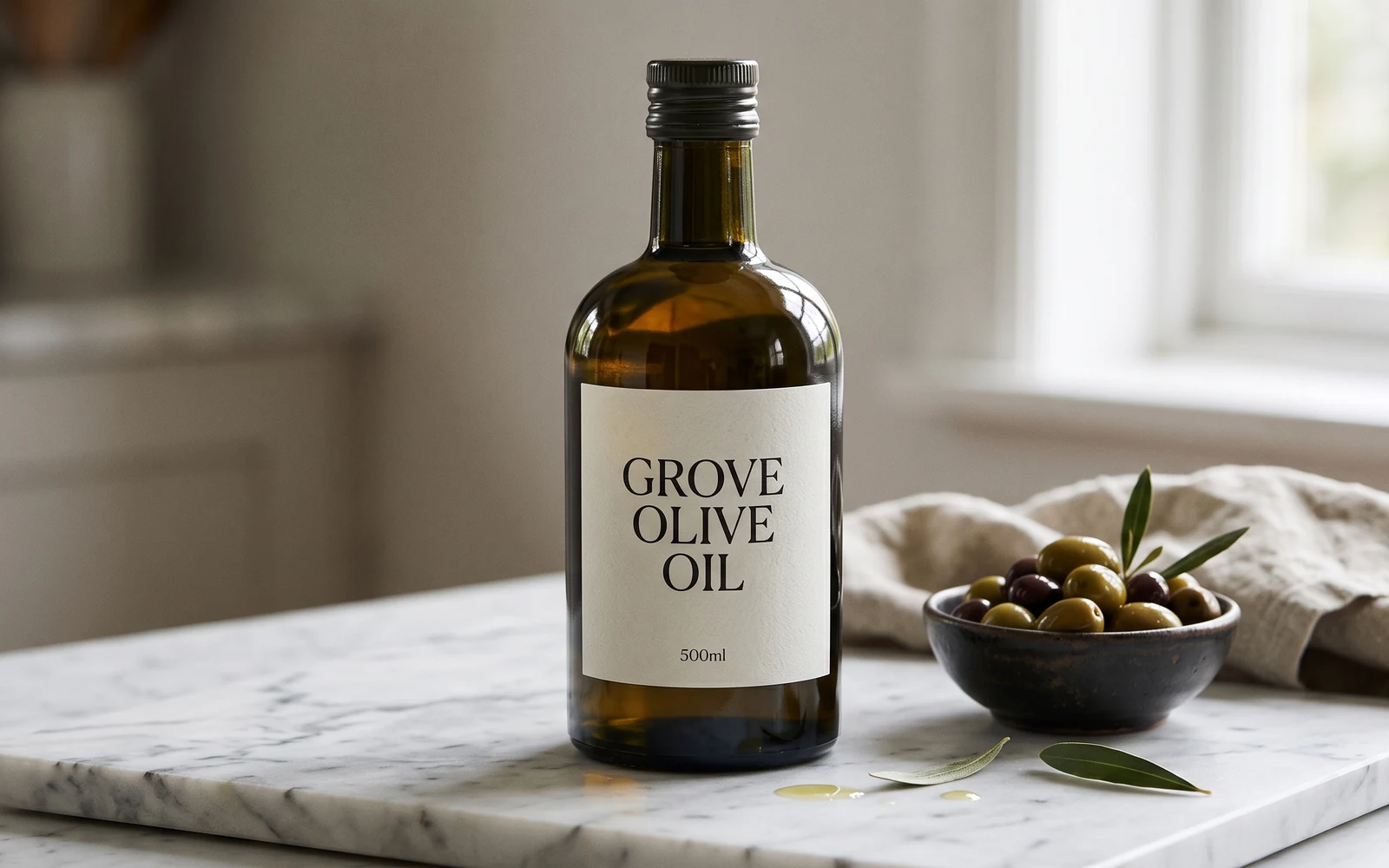
Faces and packs that hold across a set
Google cites up to four characters and ten objects staying recognizable. Restage wardrobe or a product shot from refs instead of starting a new face each time.
- Upload the people or packs that must stay the same.
- Write what stays and what changes in the same brief.
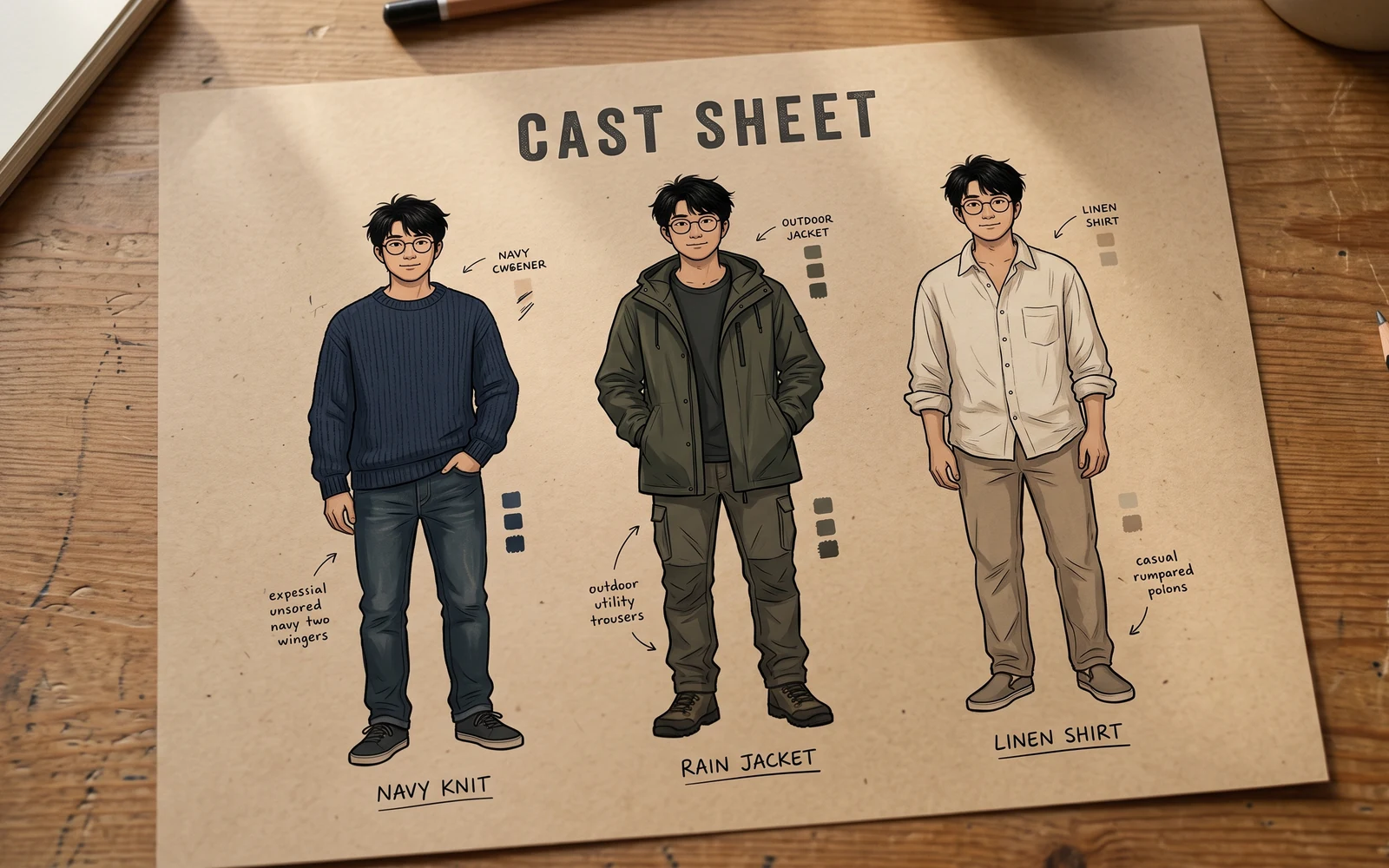
Posters and diagrams with type you can still read
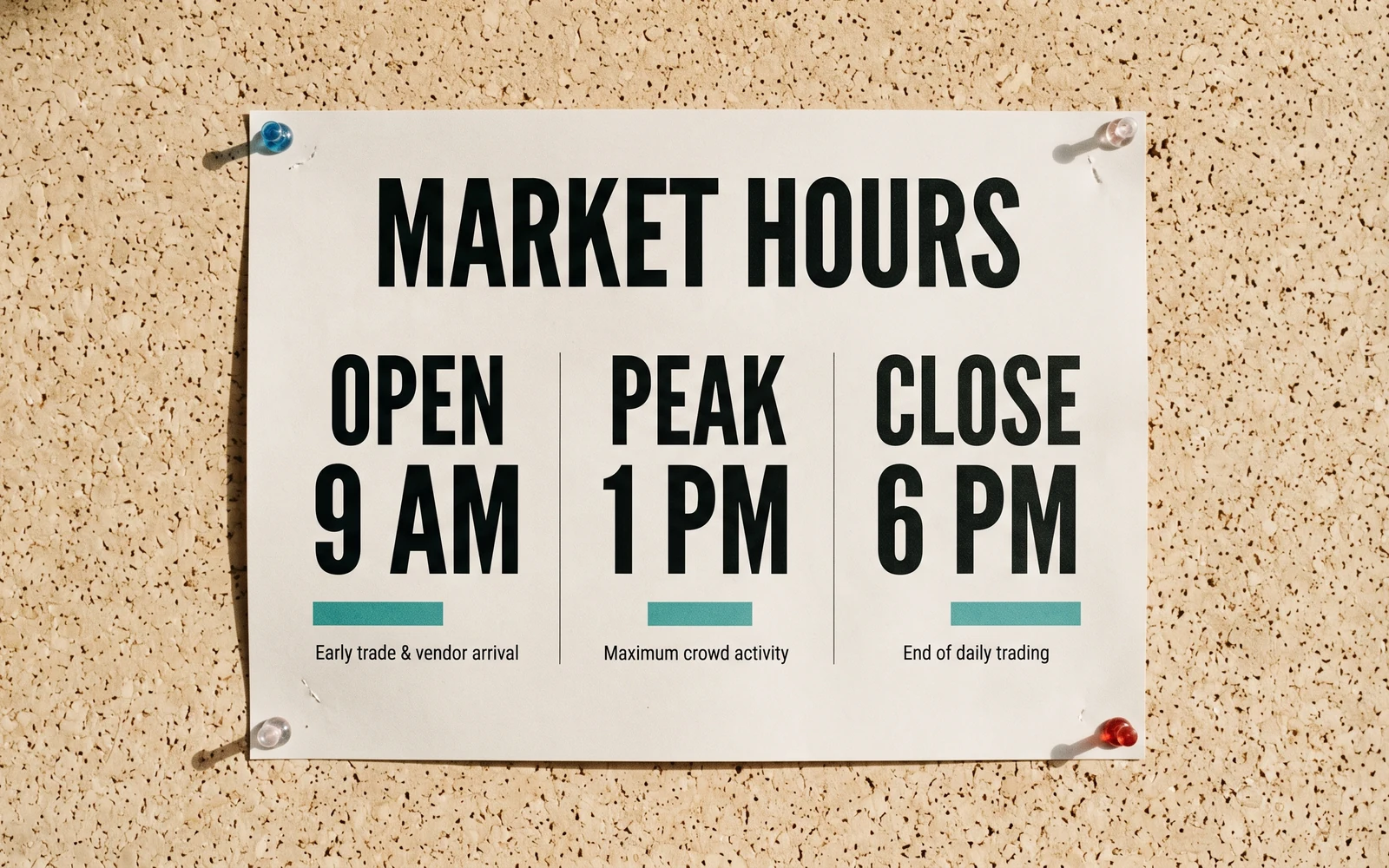
Nano Banana 2.1 is positioned for posters and infographic layout. Name the headline, then check spelling. Small type is safer at 2K or 4K than at the 1K default.
- List each label you need on the sheet.
- This page does not claim a text-accuracy score.
Instruction edits from up to 14 refs
Add stills, write the change, and keep Nano Banana 2.1 selected so Generate switches to the edit path. CamArt accepts up to 14 reference photos. Recreate can fill the prompt from an Inspiration post.
- Keep the instruction specific: what stays, what changes.
- Results stay in Assets after Generate.
How to Use Nano Banana 2.1 AI Image Generator in CamArt
Three CamArt steps from a Nano Banana 2.1 prompt to a still in Assets.
-
STEP 01
Write the still
Keep Nano Banana 2.1 selected. Write subject, lighting, on-image copy, and any edit notes. CamArt's prompt field is 2000 characters. Recreate can fill this field from a template.
-
STEP 02
Set ratio, resolution, and refs
Set aspect ratio and 1K, 2K, or 4K. Default 1K is 4 credits (2K is 6, 4K is 14). Add up to 14 reference photos when you need an instruction edit. Edit at 1K with one ref is 5 credits.
-
STEP 03
Generate, check the still, and save
Generate, check identity, type, and lighting in the preview, then save from Assets. Credits on Generate are deducted on start (1 credit = $0.01 COGS).
Who Should Use Nano Banana 2.1 AI Image Generator on CamArt
Nano Banana 2.1 fits briefs that need readable type, a face or pack that holds, or Flash-cost iteration. Simple style-tag sketches can stay on a lighter model. Nano Banana Pro stays the premium column.
-
Marketers who need a poster with readable type
Name the headline and layout. Finish at 2K or 4K when the type is small. Check spelling before the poster ships.
-
Product teams who keep a pack consistent
Upload the bottle or box, then restage light and scene. Google's object-fidelity pitch is up to ten objects.
-
Character designers who edit wardrobe from refs
Keep up to four faces recognizable while you change clothes or setting. CamArt Edit accepts up to 14 stills.
-
Infographic makers who finish at 2K or 4K
Draft the diagram at 1K, then raise resolution so labels stay sharp. That is the DeepMind small-type caveat.
-
People iterating at Flash cost
Default 1K is 4 credits. Use that loop when you need several stills before you lock a 2K or 4K finish.
-
People who would otherwise open Nano Banana Pro for everyday stills
2.1 is the Flash-tier counterpart. Switch to Pro in the same picker when the brief needs the premium SKU.
Explore More AI Image Models on CamArt
FAQs
Is Nano Banana 2.1 the same as gemini-nano-banana-2.1?
Yes. gemini-nano-banana-2.1 is Google's API name. Google DeepMind's card, published 6 October 2026, says it is based on Gemini 3.6 Flash. CamArt lists the same stack as Nano Banana 2.1.
How is Nano Banana 2.1 different from Nano Banana 2?
Google positions 2.1 as a sharper, tighter-following update to Nano Banana 2, with cleaner in-image type and identity-preserving edits. On CamArt, Nano Banana 2.1 exposes 1K, 2K, and 4K and accepts up to 14 reference images. Nano Banana 2 on CamArt is 1K or 2K with up to 8 refs.
How is Nano Banana 2.1 different from Nano Banana Pro?
Google ships Nano Banana 2.1 as the Flash-tier counterpart to Nano Banana Pro. Use 2.1 for everyday stills, posters, and instruction edits. Keep Pro when you want the premium brand-polish SKU. This page does not claim 2.1 beats Pro.
Is Nano Banana 2 Lite the same as Nano Banana 2.1?
No. Nano Banana 2 Lite is a separate Gemini 3.1 Flash Lite image SKU. It is not on CamArt. This page is Nano Banana 2.1 (gemini-nano-banana-2.1).
Can Nano Banana 2.1 edit from reference photos?
Yes. Generate is text-to-image. Add reference photos and write the change to run image-to-image. CamArt accepts up to 14 reference images. Google's card cites up to four characters and ten objects staying recognizable. Jobs are one Generate or Edit at a time.
Can I generate 4K stills with Nano Banana 2.1 on CamArt?
Yes. CamArt exposes 1K, 2K, and 4K. Default is 1K (4 credits). Small type and dense infographics are safer at 2K or 4K. CamArt uses common aspect ratios. It does not chip the issuer's panoramic 1:8 sizes.
Is the Nano Banana 2.1 generator free on CamArt?
No. CamArt is credit-based. Default 1K is 4 credits. Sign in with Google or an email magic link. Starter credits do not cover every job. Ranking pages that advertise unlimited free generations are not CamArt.
How much do Nano Banana 2.1 credits cost on CamArt?
One credit equals $0.01 of generation cost. Text-to-image is 4, 6, or 14 credits at 1K, 2K, or 4K. Edit at 1K with one reference is 5 credits. Extra references raise the quote, up to 14 stills. Credits on Generate are deducted on start.
Does CamArt include Search grounding or Thinking for Nano Banana 2.1?
No. Google's API can ground with Search and set Thinking levels. CamArt Nano Banana 2.1 jobs take a prompt, optional reference photos, ratio, and 1K, 2K, or 4K. Those Google API controls are not CamArt toggles.
Can I use Nano Banana 2.1 images commercially on CamArt?
CamArt plans allow commercial use of outputs subject to law and third-party model terms. Review Google's current terms for Nano Banana 2.1. CamArt does not promise exclusivity or that an output is free of third-party rights.
Generate Images with Nano Banana 2.1
Describe the still, lighting, and any on-image text. Add a reference photo when you need an identity-preserving edit, then hit Generate when you're ready.